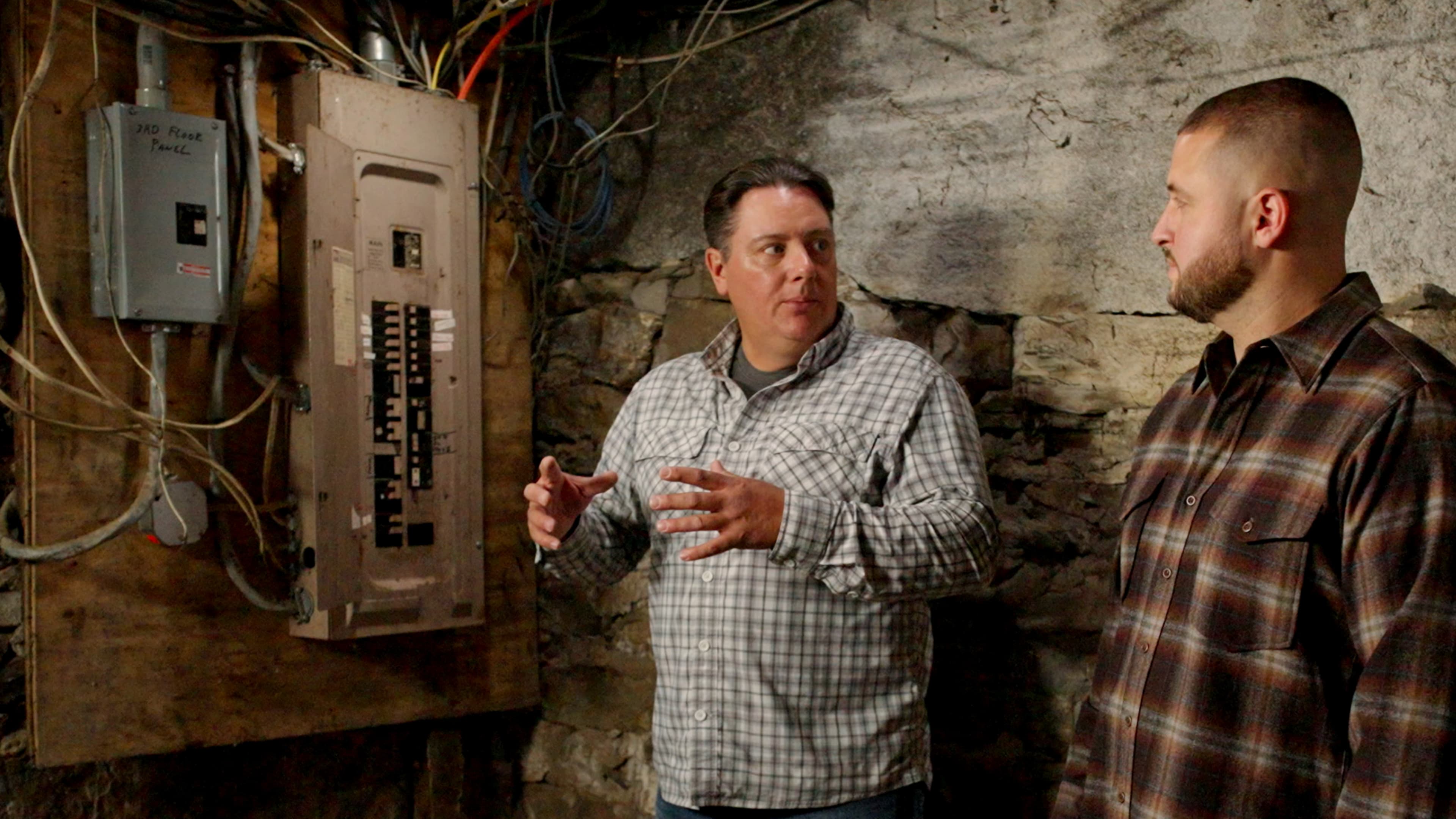
Open your first few utility statements for a new home can be eye-opening. If you’ve been wondering, “Why is my electric bill so high?” it’s a good idea to find out what’s causing this higher-than-normal electric bill before the same thing happens next month. While it’s possible your utility company made a mistake, an increase is more likely related to other reasons.
How to Troubleshoot a High Electrical Bill
Here’s how to go about troubleshooting your utility bill and reduce energy costs to hopefully keep more money in your pocket..
Rule Out the Obvious Causes
Electricity prices can rise due to fuel costs, infrastructure upgrades, or extreme weather. Even nearby data centers and large commercial warehouses can affect the demand on the electrical grid. But those factors are largely out of your control. To focus on what you can control, start by taking inventory of your own energy consumption habits. Heating and cooling are typically the biggest contributors to a high electric bill. Here are a few things to check that could be raising your energy bill.
- Leaving a window or door open while the AC or heat is running
- Thermostat settings that are higher (in winter) or lower (in summer) than necessary
- Lights left on in unused rooms
- Dirty or clogged HVAC air filters
- HVAC systems running constantly due to extreme temperatures
Consider Less-Obvious Energy Drains
Next, it’s time to take a hard look around your house for the hidden contributors to your high electric bill: Energy Vampires. Many electronics Phone chargers, TVs, coffee makers, game consoles, microwaves and other small appliances and electronics that you always leave plugged in continue to draw small amounts of power even when turned off in standby mode—otherwise known as energy vampires or phantom loads. Devices in standby mode cost the average American household $100 a year, according to the U.S. Department of Energy. To conserve that energy: Unplug these electronics when not in use or plug them into a surge protector power strip and turn the switch off when not in use.
Water Heater Settings
High-temperature settings could be costing you big. Many water heaters have a default setting of 140°F, but you may see increased savings if you keep yours at a sweet spot of 120°F. If your home uses an electric water heater, this small change can make a noticeable difference in your bill.
Appliance Age and Efficiency
Older appliances, paricularly refrigerators, dishwashers, and dryers, guzzle up a lot more energy to run than new energy-efficient appliances so upgrading to a new fridge will do more than just improve the aesthetics of your kitchen. When shopping, be sure to look for Energy Star certifed products to ensure you’re investing in the most efficient models.
Air Leaks and Insulation
If you notice your home feels drafty, air leaks and poor insulation could be at the heart of your high energy bills. Sealing air leaks around doors, windows, ducts, and ventwork and improving the insulation in the attic and crawlspace can reduce energy loss and make your home more comfortable for less money.
Peak Usage
If your utility bill has risen, the reason may not be how much energy you used, but how you are being charged for it. Many homeowners don’t realize that utility companies have different rate structures, and your specific energy plan may have different rates for peak and off-peak hours, so understanding your plan can help you save money. Some utilities use a flat-rate system, meaning you pay the same price per kilowatt-hour no matter when you use electricity. Others use a time-of-use plan, where electricity costs more during “peak” hours—typically late afternoon and early evening, when demand is highest—and less during off-peak hours. Shifting to off-peak hours to run large appliances like your washer, dryer, or dishwasher may reduce your electric bill. If you are on a time-of-use energy plan and it doesn’t suit your needs, you may be able to opt out and choose a different billing structure that better fits your usage habits.
Other Ways to Address a High Bill
If you’ve explored all these options and your bill still seems to be higher than normal, you may want to consider these other ways to analyze a bill and reduce energy costs.
Managing Your Energy Contract
If you’re enrolled in a fixed-rate energy plan with your utility company, a sudden spike in your bill could mean that your contract has ended, and you’ve been automatically switched to a variable or month-to-month rate and those rates are often higher. If your usage hasn’t changed but your price-per-kilowatt-hour has increased, it’s worth reviewing your current rate plan. You may be able to renegotiate your terms.
Energy Bill Analysis
As a new homeowner, one of the best ways to understand changes in your electric bill is to compare it to a previous statement. Look at last month’s bill—or, even better, the bill from the same time last year if you have it—and review a few key details. Check the total kilowatt-hour (kWh) usage to see how much electricity was used and look at the rate you’re being charged per kWh, and review how the costs are divided between supply and delivery charges. There may have also been changes in the prices of supply charges, transition charges, time-of-use charges, taxes and regulatory fees, and other additional surcharges.
If you’re still unsettled about your energy cost, you may want to consider getting a home energy audit. Some utility companies provide this service at no or low cost to help you spot where you’re losing energy. Usually, air leaks or poor insulation are the biggest culprits. Installing an energy monitor might be the best way not only to track your overall energy usage but also to monitor individual circuits over time. A licensed electrician is recommended to do the installation.