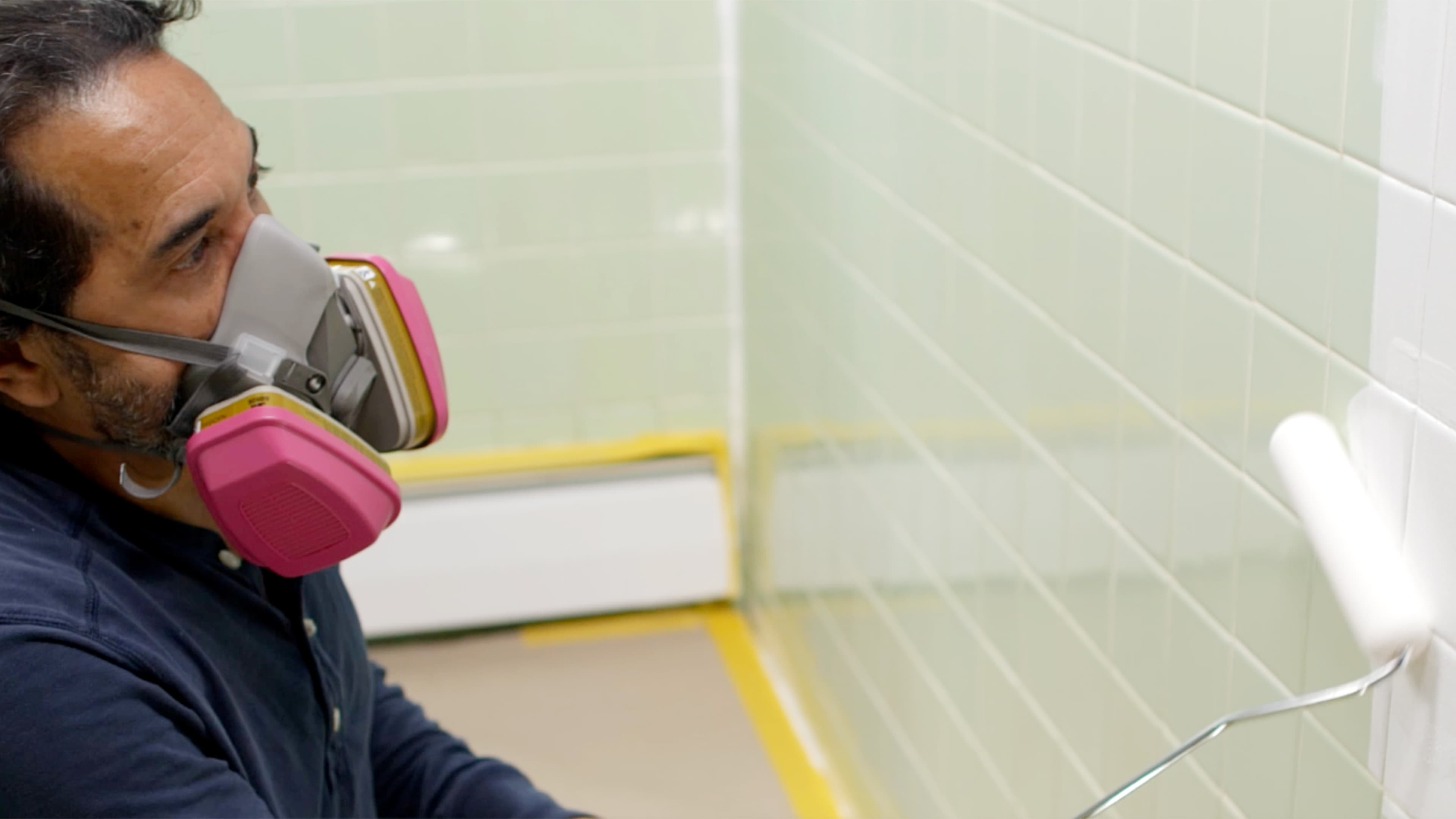
Tile can feel like a pretty permanent fixture in your home. After all, there was a ton of labor involved in its installation, not to mention how much work it would take to remove it all, then fix all the remaining surface damage. But if you don’t love the look of your current tile, painting the tiles might be the simplest workaround for making that permanent surface look completely updated.
Done properly, and under the right circumstances, painting tile can actually work out really well. This guide will walk you through when it’s a good idea to paint tile—and when it’s not—and how to do it correctly. It may be the perfect easy project to upgrade your space on a budget.
Can You Paint Tile? (Yes—But Not All Tile)
Not all tile is worth painting, and in some cases, it might not be feasible at all. Figuring out if your tile surface is paintable is your first step.
Tile surfaces that you can paint include:
- Ceramic wall tile
- Porcelain wall tile (with proper prep)
- Backsplashes
Tile surfaces you should not attempt to paint include:
- Shower floors
- High-traffic floor tile
- Areas with standing water
- Loose or cracked tile
A few heads-up: Even when a tile painting project is done well, it’s often not the most durable finish. And if you paint tile in an area that gets wet, the puddled water will wear down the paint finish. Another thing: Because floor tile is typically designed to be a little more slip-resistant than wall tile, coating it with paint can make the floor more slippery.
When Painting Tile Is a Smart Update
There are a few scenarios where applying a coat of paint to a tile surface works best. If the tile is structurally sound and well-adhered, it’s faster and more affordable to refinish it than replace it. It also makes a lot of sense if it’s a temporary solution until you’re ready for a larger remodel, or if you’re refurbishing a resale home or a rental between tenants.
When You Should Replace Tile Instead
Before breaking out your sandpaper and dust mask, you have to be objective and decide whether replacement is a better idea. For example, cracked or loose tiles, extensive grout failure, and structural issues require removing the tile and often the wall surface behind it in favor of something new, fresh, and sound. Also keep in mind that painting tile will cover up the contrasting grout lines and create a uniform color on the surface you are painting. If you’re not a fan of how that would look, this may not be the project for you.
What Type of Paint Works Best on Tile?
For the best results, use epoxy or acrylic paint specifically designed for bathroom tiles. These types of paints are durable, water-resistant, and can handle the frequent cleaning and moisture that bathrooms endure. Epoxy acrylic paint adheres well to tile surfaces and offers the longevity needed for a high-moisture environment.
Epoxy Paint for Tile
Epoxy paint is the most durable option for painting tile. Once cured, it forms a hard, moisture-resistant finish that stands up to humidity, routine cleaning, and light wear. When applied over properly cleaned and sanded ceramic or porcelain tile, epoxy offers strong adhesion and longer-lasting results than standard acrylic or latex paint.
Epoxy-Acrylic Tile Paint
Epoxy-acrylic tile paint blends durability with easier application. This product is typically single-component, more forgiving to work with, and designed specifically for DIY tile projects. While not quite as hard as traditional epoxy, it performs well on walls and backsplashes where heavy wear is less concerning.
Do You Need Primer Before Painting Tile?
Primer isn’t always required—but it depends on the product you use. Some epoxy paints are self-priming and bond directly to properly sanded tile, while others require a high-adhesion bonding primer to grip onto a tile’s glossy surface. Skipping primer when it’s needed can lead to peeling at grout lines and edges, especially in humid spaces, so always follow the manufacturer’s instructions.
How Long Does Painted Tile Last?
How long tile paint lasts depends on the room and the use case. For instance, a kitchen backsplash may last five years or more, while a shower wall might only last a year or so with regular use. When it comes to floors, paint won’t last long at all and is not recommended.
As the paint starts to fail, you’ll likely notice the color in the grout, caulked joints, and the edges of the tile near fixtures will peel or blister first.
Tools and Materials for Painting Tile:
- Screwdriver and/or allen keys
- Degreaser
- Microfiber cloths
- Painter’s tape
- Plastic drop cloths or resin paper
- Respirator mask
- Eye protection
- 320-grit sandpaper and/or random orbital sander
- HEPA vacuum with a hose attachment
- Bonding primer (if required)
- Epoxy or epoxy-acrylic paint
- Foam roller
- Paint tray and liner
- Paint brush
- Spray Bottle
Step-by-Step: How to Paint Tile
1. Remove Hardware
Start by removing all the towel racks, paper holders, outlet covers, and other obstacles from the tile surface. This will usually require a screwdriver or a small set of allen keys. Make sure to remove anything else in the room that can get in the way or get stained.
2. Deep Clean the Tile Surface
Thorough cleaning is a necessity for durable paint adhesion. Any substance left behind will prevent the paint from firmly biting into the tile surface. Use a degreaser cleaning solution and a microfiber cloth to scrub the tiles thoroughly, removing any dirt, grime, or soap scum. After cleaning, rinse thoroughly with clean water, and allow the tiles to dry completely before moving to the next step.
3. Tape Off and Protect the Area
Apply painter’s tape to the edges, fixtures, and walls to keep paint from getting where it doesn’t belong. Cover counters, toilets, and floors with plastic drop cloths or resin paper to protect them from dust and paint drips.
4. Sand the Tile to Dull the Glaze
Put on a respirator mask and eye protection. Using 320-grit sandpaper, sand the surface of the tiles to create a rough texture that will help the paint adhere. For larger areas, a random orbital sander can save time. Don’t forget to sand grout lines as well.
Keep in mind that this is a light scuff, not an aggressive sanding. The goal is to create scratches in the glossy surface; completely removing the glossy layer isn’t necessary.
5. Remove All Dust
Use a HEPA vacuum with a hose attachment to suck up the dust from all the surfaces. Then go over everything with a wet microfiber cloth, rinsing it often. Make sure to clean the grout lines, joints, and other areas where dust can collect. Let dry thoroughly.
6. Apply bonding primer
Open windows for ventilation and make sure to wear the respirator mask. If bonding primer is required for the paint you selected, following manufacturer’s instructions for application.
7. Apply Thin, Even Coats of Tile Paint
If you used primer, swap in a new foam roller, paintbrush, and liner in the paint tray. Pour a small amount of epoxy or epoxy-acrylic paint in the tray. Apply a thin coat of paint to the tile just as you would a basic wall. Cut it along the edges, corners, and around fixtures and outlets with a paintbrush. Once cut in, roll the paint onto the tile with a foam roller. Use W-shaped strokes to avoid lap marks.
8. Allow Proper Drying and Curing Time
Allow the first coat to dry according to the paint manufacturer’s instructions, usually around 6–8 hours. After the second coat, let the tiles cure for the recommended time before using the bathroom, typically 48–72 hours.
Can You Paint Tile in a Shower?
Yes, you can paint tile in a shower, but only the walls. Keep in mind that paint will not last as long in high-moisture spaces. Also, shower tiles may need more time to cure and extra ventilation than the standard 72 hours to properly cure.
How to Maintain Painted Tile
Painted tile needs to be cleaned and maintained, but it’s crucial to be gentle while doing so to prevent the paint from wearing off over time. Avoid scrub pads, brushes, bleach, and harsh chemicals to ensure the paint lasts as long as possible. Instead clean the surface with a microfiber cloth or sponge and a solution of water and mild dish soap. Also, make sure to touch-up any chips that may occur to prevent more paint from peeling.
Alternatives to Painting Tile
Depending on your situation, painting tile might not be your only option. Before you decide to take the project on, you may want to consider:
- Professional tile refinishing
- Regrouting
- Full replacement
In many cases, just regrouting a solid tile surface can give you the results you’re looking for. Removing the old, dirty grout and replacing it with fresh grout in a different color might be the best option.
The Bottom Line on Painting Tile
Tile may feel permanent, but that doesn’t mean its look has to be. With careful preparation, the right paint, and proper application, painting tile can dramatically refresh a bathroom or kitchen without the cost and disruption of demolition. When done correctly, painted tile doesn’t just cover outdated color—it gives a solid surface a clean, updated appearance that can completely change how a room feels.