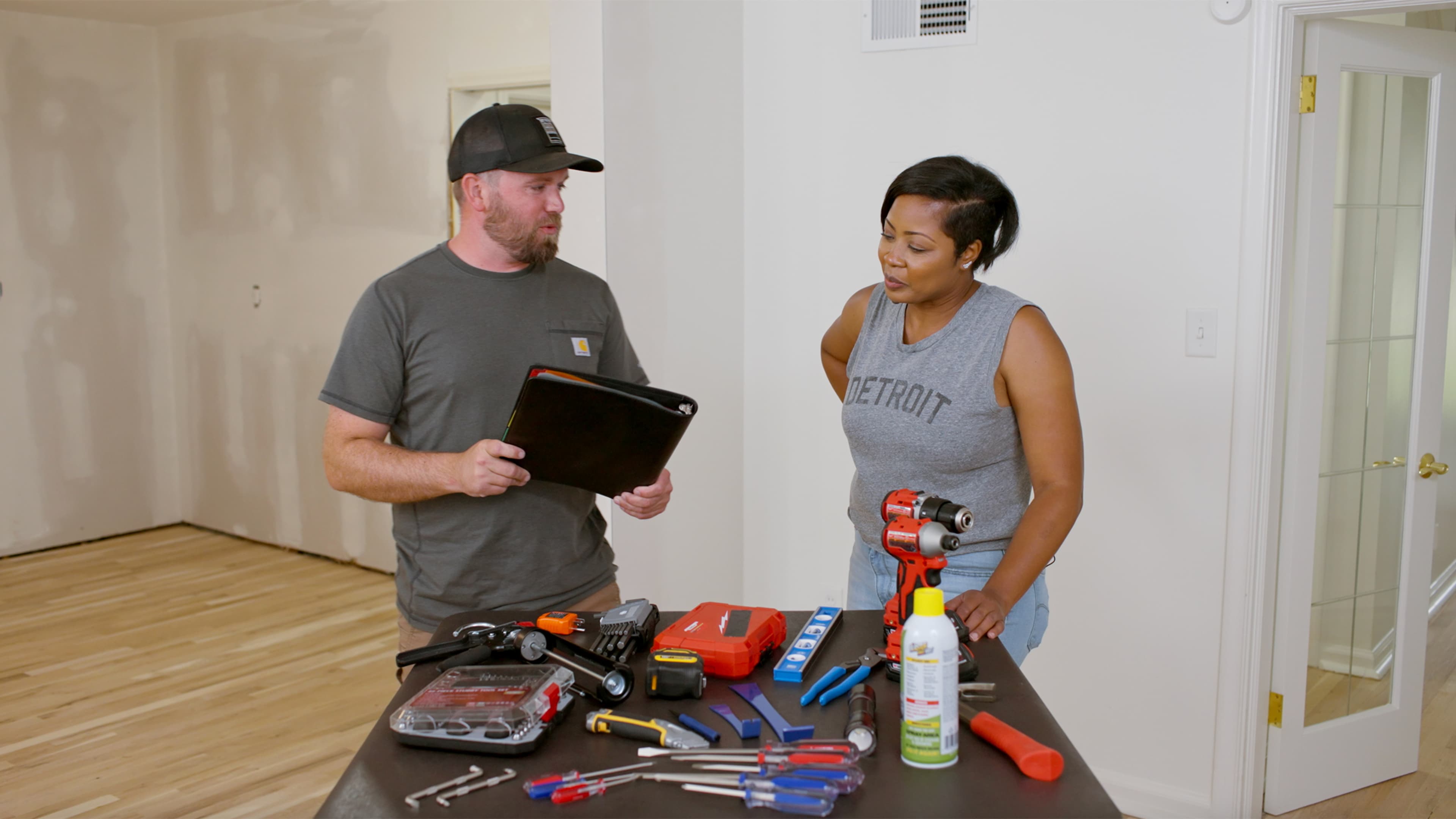
Whether it’s your first home, an upsize, a downsize, or wherever else you might land, purchasing a new home is an exciting time. But since each home has its own design, systems, and history, it can also be incredibly stressful figuring out what’s best for your particular house. The goal of this checklist is to help you understand and care for your home, as well as (hopefully) prevent small problems from growing into big, expensive ones. We’ll follow along as master carpenter Nathan Gilbert walks a new homeowner through her inspection process, expanding on the areas you need to know about so you can feel confident in your own homeownership journey.
How to Use This Checklist
Let’s start with what this checklist isn’t: a replacement for your pre-purchase home inspection. A professional home inspection is always a good idea when purchasing a new home. The inspector will provide a full report on the age and condition of the systems and materials as well as other issues to look out for, helping you feel more confident about deciding to purchase the home or walk away from it.
This checklist, on the other hand, will take you well beyond the pre-purchase period or move-in day. For first-time homebuyers in particular, this checklist is designed to help you get familiar with your home after closing—what to check now, what to monitor over time, and when to call for help. It helps you track the overall condition of your home, its components and systems, and breaks down when and how to tackle these to-do’s. It’s essentially the playbook for homeownership.
Roof, Gutters, and Penetrations: Stay on Top of These Crucial Areas
Our homeownership checklist has to start on top. If your roof, gutters, and flashing around penetrations (i.e. a vent pipe, an exhaust fan, a skylight, or a chimney) aren’t in good shape, you’re on a fast track to expensive issues.
Check at Least Once a Year for:
-
- Excessive grit in gutters or at downspouts
-
- Curling, cupping, or missing roof shingles
-
- Deteriorated roof vents, chimney flashing, or masonry
-
- Drip-edge flashing overlaps gutters incorrectly
Gaining a solid idea of the condition of these items helps with long-term maintenance planning. For example, excessive shingle grit means one of three things: Your roof is brand new (very good), your roof is very old (not great), or your roof has been through a heavy storm, typically with hail (time for a closer look). Likewise, worn flashing should be handled as soon as possible, as it may let at least a little rain or snow into the home during every weather event.
This doesn’t mean you need to crawl across your roof like a seasoned roofer. Many times, you can inspect your flashing and shingle condition from the ground using a pair of binoculars. Even a smartphone camara can be helpful—to identify issues from a ladder, just zoom in without ever stepping onto the roof’s surface. Also, a pile-up of grit in front of the downspout is noticeable from the ground without any extraordinary effort.
Exterior: Keeping Water and Pests Out
Next, we need to make sure the rest of your building’s envelope (essentially the systems and components that keep the outside world outside) is in good condition. This includes examining the siding, trim, foundation, windows, doors, and other potential problem areas. And most of this can be done from the ground.
Check At Least Once a Year for:
-
- Siding condition
-
- Missing, cracked, or loose materials
-
- Mortar joints around brickwork
-
- Pooled water around downspouts or the foundation
If you’re noticing some wear or fading on your existing siding, you’ll know it’s time to budget for repairs or replacement. As long as nothing is cracked, loose, or missing, it’s not an emergency, and you can develop a plan that works for you. If the damage is more severe, you’ll be inviting moisture, pests, and other dangers into your home, and you’ll need to take immediate action.
Cracked mortar joints are normal. If they’re slight and vertical, keep an eye on them and plan for a future repair. If they’re horizontal or stepped like stairs, however, you’ll want to get on that sooner rather than later, as your foundation may be facing serious structural concerns.
Also, make sure to look for issues around the outside of the foundation. Downspout discharge should flow away from the foundation, and the soil should be graded to promote the same. Many exterior issues develop slowly. Catching them early helps prevent water damage and costly repairs later.
Attic: What’s Normal vs. What’s Not
In most homes, the attic doesn’t get a lot of attention. But problems hiding in your attic can affect the rest of your home, your health, and your wallet, so you do need to be mindful of what’s going on there.
Check the Attic in Winter and Summer for:
-
- Water damage from roof or vent leaks
-
- Pest activity (mice, bats, raccoons, insects)
-
- Insulation type and depth
None of these issues fall into the “I’ll get to it” camp. They all need your attention. Water damage and moisture damage mean you have an active leak or your attic isn’t venting properly, which could lead to mold and structural issues. Rodents and small animals can spread disease and chew wires. Insects like termites and carpenter ants can chew through the structure, while bees and wasps can create safety issues.
Inadequate insulation might seem like a smaller deal, however remember that heat rises, and your furnace or boiler will work overtime to keep your house warm in the winter. Also, if heat’s escaping, it could be melting beneficial snow on the roof, which can lead to ice dams and ultimately roof and structure issues. Good insulation is essential.
Windows: Operation, Seals, and Efficiency
It’s important to get a grasp of your windows’ condition as soon as possible. If you consider that these are literally holes punched into the building’s envelope, you’ll start to understand how critical it is that they work properly and that you care for them over time.
Check Windows in Spring and Fall for:
-
- Leaking seals
-
- Difficult-to-operate sashes
-
- Condensation between glass panes
-
- Sticky or broken locks, tilt latches, and stops
Let’s start with the obvious: Leaky windows allow warm air to penetrate the home in the summer and to escape in the winter. They can also allow moisture in and cause water damage, depending on just how leaky they are.
Sashes that don’t operate properly are typically a sign of something more serious, like improper installation, water damage, rot, or other issues. It’s also extremely important that windows work properly for the sake of safety, as they can serve as emergency exits, if necessary.
Condensation between the glass indicates that the insulating gas between the two panels has escaped. This compromises the glass’s ability to insulate the home.
Finally, working locks, latches, and stops are critical for two main reasons. One, these components keep your home safe. If they’re not working properly, the window won’t do much to keep a would-be intruder out. Second, these components ensure that the windows are sealed and seated properly, improving energy efficiency.
Most of these issues need to be addressed right away, whether through repair or through replacement.
Electrical: Know Your Panel Before You Need It
Electrical systems might seem mystifying and intimidating, but there are a few areas you should familiarize yourself with. Once you do, you’ll feel a lot more confident about how your home’s electrical components work and what to do if there’s a problem (and how to recognize one).
Locate and Label:
-
- Main service disconnect
-
- Individual circuit breakers
Your main service disconnect is where you shut off the power to the entire home. It’s typically on the top of your electrical panel, where the main electrical wires from the street enter the box. Also, understand your individual breakers and ensure they’re labeled correctly. If you ever want to service or reset something, it’s helpful to know exactly which breaker you need.
Signs to Look Out for:
Unless you’re an experienced electrician, don’t diagnose your own electrical problems. You should be able to recognize when something isn’t right, though. Signs include:
-
- Circuit breakers that trip frequently
-
- Outlets that feel warm to the touch
-
- Lights that flicker or dim unexpectedly
-
- Buzzing sounds from outlets or switches
If you notice any of these issues, it’s best to stop using the affected circuit (flip the circuit breaker into the off position) and have it evaluated by a qualified electrician. In an emergency, knowing how to shut off power quickly can make a critical difference.
Plumbing: Shutoffs, Meters, and Early Leak Detection
Understanding the basics of how your plumbing system operates and how to spot an issue can cover the majority of your ongoing plumbing needs.
Locate and Label:
-
- Main water shut-off valve
-
- Water meter and isolation valves
-
- Gas meter location (with safety reminder)
If there’s a leak or water supply issue, knowing where the main water shut-off valve can limit the water damage, saving time and money when it comes to clean-up. And while you should evacuate the hope immediately if there is a gas issue, it’s still important to know where your shutoff valve is located.
Signs to Look Out for:
If you’re noticing any of the following, you might have a plumbing issue to tackle:
-
- Unexplained water usage on your bill
-
- Water stains on ceilings, walls, floors, or inside cabinets
-
- Dripping sounds
-
- Persistent low water pressure
Winter Preparation
If you live in a colder climate, your plumbing system needs to be prepared for winter. Shutting off outside hose bibs, exposed pipes, and plumbing in unheated spaces like basements and crawl spaces will help avoid frozen and burst pipes when the temperatures drop.
Essential Home Maintenance Tools
You don’t need a trailer full of tools like a full-time contractor. You just need the right tools to help you get through the most common homeowner maintenance and repair tasks. The following will cover most repair needs.
Inspection & Testing Tools
Fastening & Adjustment Tools
-
- Wrenches and socket set
Measurement & Layout
Cutting, Sealing, & Repairs
Power Tools & Storage
Your Home Information Binder
A very important part of your ongoing homeowner maintenance and inspection checklist is compiling your personalized home information binder. It can be used as an updateable resource for all your home’s components, device and control locations, and more. It’s like a textbook written specifically for your home.
What to Include in Your Home Information Binder
-
- Floorplans and layouts
-
- Locations of shutoffs
-
- Contractor contact information
-
- Appliance and system manuals
-
- Warranty documents
-
- Maintenance logs
Keeping track of all these items helps you stay on top of maintenance needs, quickly find filter sizes, supply manufacturers with serial numbers, and warranty information, as well as look up other critical information instantly. You’ll know which components you have, when their warranties expire, and who to call if something outside of your capabilities pops up.
And don’t underestimate the importance of digital backups. Having a file on your computer (preferably backed up to a cloud service) means you’ll always have access, even if something happens to your binder. Take pictures of components, paperwork, and other hard copies to include in your digital file.
When to Call a Professional
With this checklist, you’re a better-prepared and capable homeowner. But, there may still be issues that arise, and some of them might be outside your wheelhouse. If you’re not sure whether you should pump the brakes and pick up the phone, here are some potential hard stops:
Situations that warrant expert help:
-
- If you’re concerned with something occurring inside your electrical panel, or you’re not sure how to safely cut the power, call an electrician. Electrical accidents can kill, so if you don’t know what you’re doing, give a pro a call.
-
- In most cases, roof and flashing issues should be turned over to a qualified roofing contractor. Roof work can be dangerous for anyone inexperienced in ladders, working at heights, walking on uneven surfaces, and dragging ropes, air hoses, and tools around.
-
- If you’ve tried your hand at repairing persistent leaks or moisture issues but can’t seem to solve them, call a pro. Water damage can lead to mold, rot, insect damage, and more, so it’s critical to get the issue solved before any of these expensive and unhealthy conditions occur.
While we’re always encouraging DIYers, it’s important to prioritize safety over all else. Professionals know how to handle these potentially dangerous situations, so it’s best to hand them over.
Building Confidence Over Time
That’s a lot of information, but understand that no homeowner masters everything about their home and its needs at once. This is a process, and regular inspections will help make that process a bit easier to handle over time. Your priority is becoming familiar with your home’s systems and components, and then developing awareness of the potential or actual issues. Once those two items are taken care of, you can determine your ongoing maintenance and repair needs and develop a long-term plan for your new home.