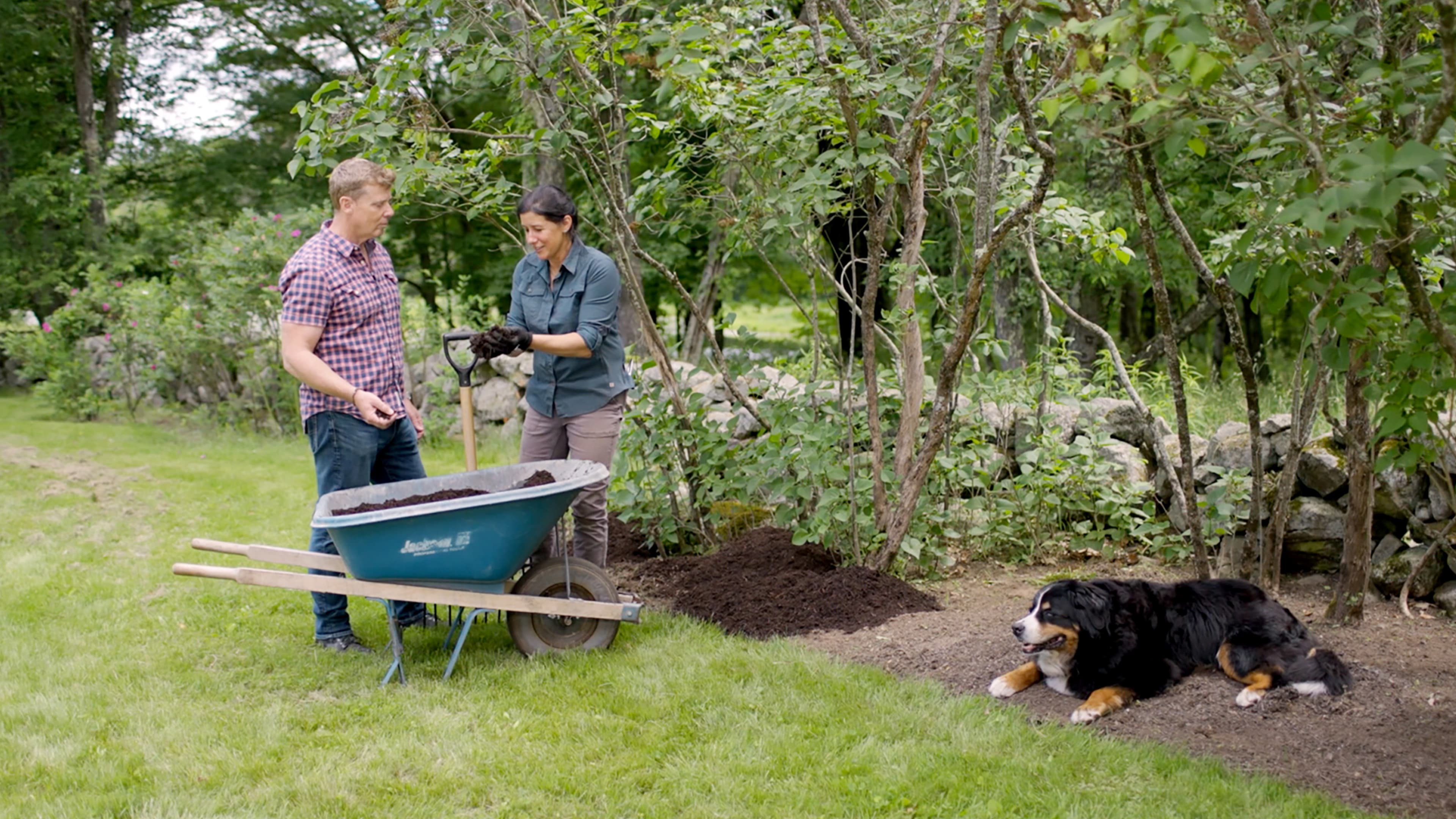
As a renter, you probably didn’t have to think much about landscaping since this was something that your landlord had to take care of. However, as a homeowner, you’ll have to be responsible for making sure that your yard remains groomed and beautiful. You may be aware that you need to keep your grass cut. However, you may be new to mulching. Perhaps you’ve seen your neighbors mulching, and now you feel that this is something you should do to keep your yard looking immaculate. Although mulch is something that can really improve the aesthetics of your yard, it does more than improve your yard’s beauty. Let’s take a look at why you should start mulching.
What is Mulching?
Mulch may seem like a cute addition to include in your garden or yard. However, it’s not strictly a decorative item. Mulching materials may be organic or inorganic and serve many different purposes. While it may make your outdoor space look much neater and more organized, mulch is a protective material that you can add to your yard or garden’s soil to buffer against the elements.
Why You Need Mulch
Mulch is beneficial for several reasons. Here is why you should think about adding mulch to your yard care regimen.
- Aesthetic Impact: As you already know, mulch can instantly change the aesthetics of your yard or garden. In just a few shakes, your patchy, boring yard can become finished and professional.
- Moisture Retention: Wind and heat can wreak havoc on your outdoor soil, making it dry and causing your plants to wilt and die. Much helps keep your plants hydrated, so you don’t have to irrigate as often.
- Temperature Control: Even in the warmer months, the temperature may be higher or lower than normal, which can harm your plants and grass immediately. Mulch acts like an insulator during these temperature spikes, keeping roots cool in summer and warm in winter.
- Weed Suppression: Another benefit of mulching is that it can help keep weeds at bay so you won’t have to invest much money into chemicals that could be harmful to your soil and plants. Mulch helps suffocate weeds by blocking sunlight, allowing your plants to grow.
- Pest Control: While mulch doesn’t “kill” pests, it does help prevent some of them from coming around. Various types of mulch can keep ants, termites, slugs, and snails away from your garden or yard. On the flip side, improper use of mulch may actually attract pests. So avoid allowing it to get too damp or too high, and aerate every few weeks to keep pests at bay.
How to Choose Mulch
If you’re ready to add mulching to your yard or garden routine, it’s a good idea to know how to choose mulch.
- Choose function over fashion.
- Pick a mulch with thujone or melaleuca that minimizes pests, especially termites.
- Try to acquire recycled, aged, or heat-treated mulch for free from local municipalities.
- Avoid using mulch that smells like vinegar, ammonia, or rotten eggs, which can kill your plants.
Types of Mulch Options
There are several types of mulch available:
- Gravel is great for high-traffic areas or areas prone to erosion. The stones will absorb heat, so it’s important to use them around drought-tolerant plants.
- Rubber mulch is a long-lasting option that is nice for playgrounds and playsets, but it doesn’t replenish soil nutrients.
- Dyed mulches come in a wide variety of colors, and they’re great for dressing up garden beds and walkways. They’re not the most organic option, however, due to the dye.
- Organic mulches like hemlock, leaf litter, pine bark, and buckwheat hulls are excellent options because they have distinct colors without dyes and break down over time, restoring nutrients to the soil.
- Pine straw comes from fallen needles of pine trees. It prevents erosion and helps to acidify the soil. It is a perfect option for azaleas and rhododendrons.
- Grass clippings, when properly dried, can act as mulch. They help regulate soil moisture, control temperature, and replenish soil nutrients.
- Peat moss is an organic mulch option that helps with acid-loving plants by lowering soil pH and retaining moisture.
- Synthetic mulch, such as plastic sheeting, is useful for suppressing weeds and improving soil moisture. However, these types of mulch are less environmentally friendly and may be less permeable than other options.
How To Estimate How Much Mulch You Need
Mulch is quantified in volume, so it’s important to understand the equations. First, for new beds, aim to add about 3 inches of mulch. For existing beds, aim to add 1 inch.
If the area is 10’x10’, and you’re adding 3 inches of mulch, the equation looks like this:
Length x Width x Depth = Cubic Feet
(To get 3 inches in feet= 3”/12”= 0.25’ )
10’ x 10’ x 0.25’ = 25 cubic feet
But, nurseries don’t sell mulch in cubic feet, they sell it in cubic yards. So, to find how many cubic yards you need, take your cubic feet and divide it by 27:
Cubic Feet / 27 = Cubic Yards
25 / 27 = 0.926 cu. yd.
Preparing Your Mulch and Applying It
Before you start laying mulch in your yard or garden, it’s a good idea to clear any debris from the area you plan to mulch. Eliminate old plant material, lawn clippings, and weeds. Smooth out the soil and moisten it a bit before applying the mulch. Aim to lay down a layer of mulch that’s 2 to 4 inches thick. Organic mulches can be applied slightly thicker, while inorganic mulches should be applied thinly. Avoid applying mulch against plant stems or tree trunks to avoid the spread of rot or disease. Leaving a small gap around the base will allow for proper air circulation and water flow.
When to Mulch
While you may be tempted to throw mulch down at any given time of the year, don’t do it. It is ideal to spread mulch in mid-to-late spring before the ground has completely warmed up and before the summer heat kicks in. Laying down mulch too early will delay plant root growth, and laying it down too late may bake the moisture out of your soil. In cooler climates, Zone 3 to 5, you should aim to mulch between mid-May and early June. For those residing in moderate climates, Zone 6 to 7, mid-to-late April is the sweet spot. In climate Zones 7 to 10, it is ideal to mulch between late March and mid-April.
If you’re still not certain when to mulch, some experts say it is best to do so once the soil remains consistently between 65 and 70 degrees Fahrenheit. Essentially, it’s best to wait until the threat of the last frost has passed before mulching.
When to Change Mulch Out
In most instances, you should just top your mulch out throughout the year if necessary. However, there are a few times when it is a good idea to completely change out the mulch you’ve laid.
- If your mulch has become a layer of fungus.
- Your plants are diseased, and the spores are on the mulch.
- If your mulch has exceeded 4 inches, it may suffocate the plant’s roots